

Video analysis design
We define analysis units and result formats that fit the purpose, such as detection, classification, tracking, and zone analysis.
Drawing on our video processing and data analytics experience, we turn scenes and signals from the field into information you can analyze.
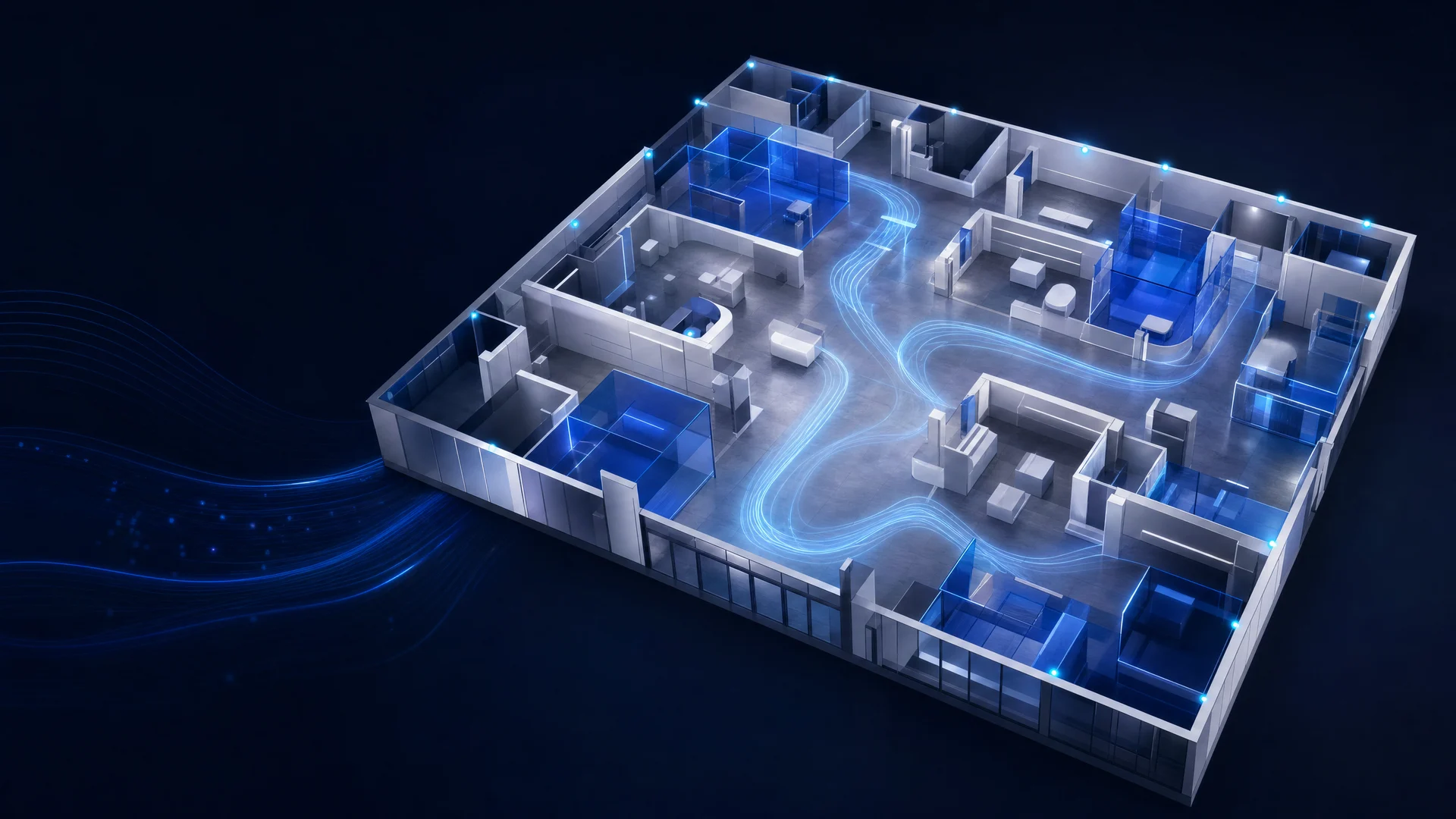
We have delivered video processing and data analytics projects, such as store video analysis and hazard prediction based on facility and sensor data. Building on this experience, we design data flows that fit the purpose of the analysis and the conditions on site. Rather than only showing model results, we set up collection, processing, review, and service integration as one process.
Feasibility and performance depend on camera conditions, data quality, and analysis criteria. We agree on goals and evaluation criteria through early validation on representative data.
If this sounds familiar
We define the objects, states, and movements you need from each scene and structure them as data that services can use.
We check lighting, field of view, obstructions, mounting positions, and variation across samples, then set collection and evaluation conditions.
We deliver events, totals, and review images in the form that other systems, dashboards, and operations alerts need.
We define analysis units and result formats that fit the purpose, such as detection, classification, tracking, and zone analysis.
We collect representative scenes and exceptions, and document labeling criteria, quality checks, and how the data is split.
We set up preprocessing, inference, post-processing, and result storage to fit site conditions and how processing runs.
We connect analysis results to screens where staff can review them, and to existing systems and data storage.
We first agree on the camera setup, the target scenes, the results you need, and how staff will use them.
Using samples that cover both typical situations and difficult conditions, we look at what can be built and where the limits are.
We convert model results into events, statistics, and review items, and connect them to existing work screens.
We review false positives and false negatives from the field, along with changes in conditions, to improve the data and processing criteria.
The exact scope and deliverables are confirmed in early discussions.
Capturing foot traffic outside a store and visitor flow inside it as data
Helping anticipate fires and hazardous situations at industrial facilities and respond to them
Tell us about your current environment and the work you want to improve, and we’ll help define where to start.