


Usage context
We check who uses the service, in what places and on what devices, and where the work gets stuck.
Even with the same technology, the right approach changes with the users, the data, and the operating environment. We start from real-world conditions and design the connections they require.
What can actually be built becomes clear only when we understand an industry’s regulations and ways of working, the limits of existing systems, and how real users behave. We translate that context into technical requirements.
We describe our projects only at the industry level. To protect our clients, we don’t disclose organization names or figures.
We turn policies and administrative procedures into digital experiences citizens can easily understand.
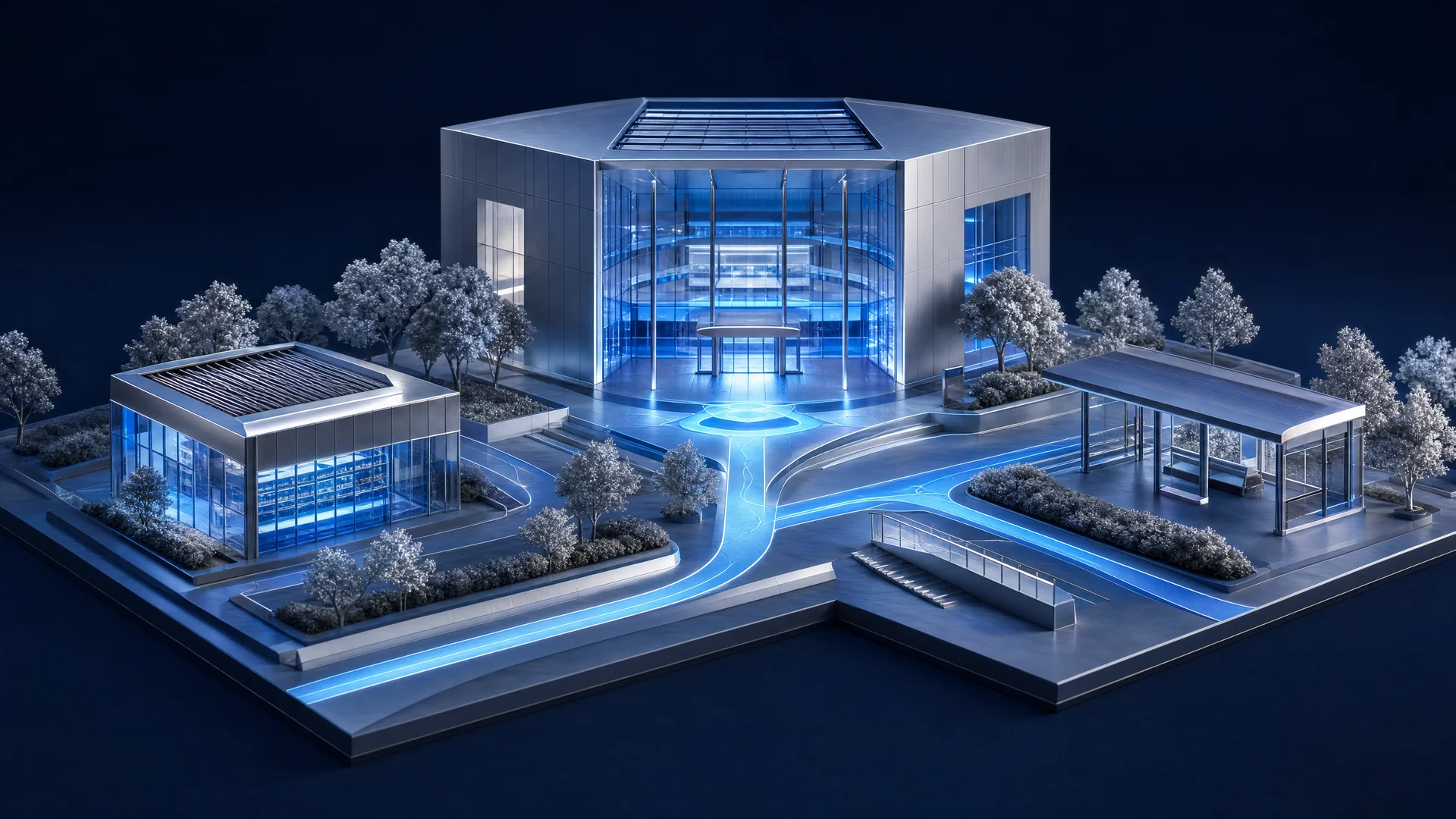
Where many departments and existing systems are intertwined, a service has to deliver user accessibility, public data integration, and stable operations all at once.
Building the integrated settlement and payment system, and assessing web vulnerabilities and hardening security on the segment that links payment terminals to the VAN
Developing an outreach website on a private-sector cloud
Developing a public institution’s main website
We bring the flows for citizen requests, education, and information into one screen structure, then connect the operating features for staff and the existing administrative data step by step.
We connect scattered data and repetitive work to speed up decisions and operations.
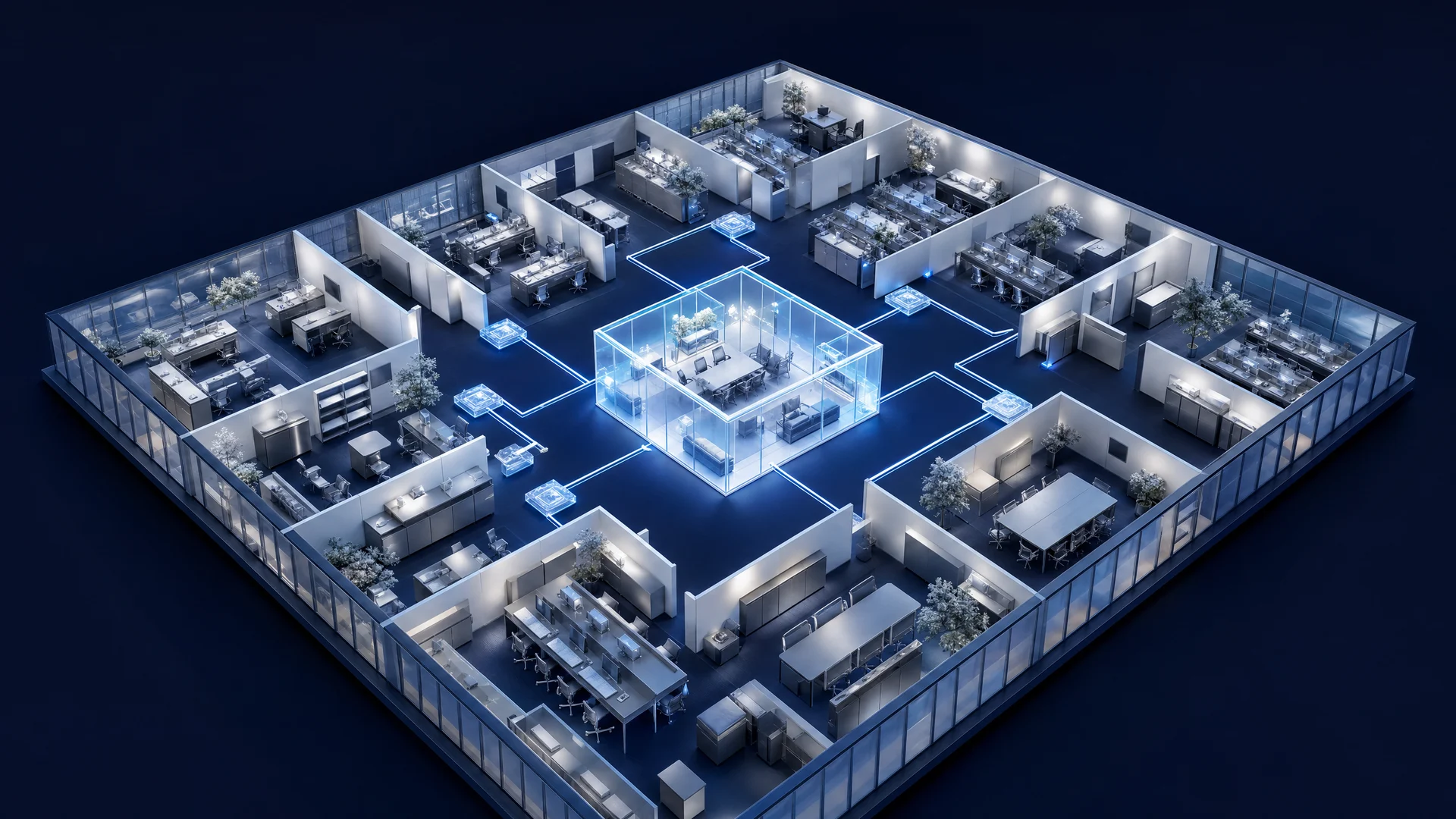
When each department keeps its own tools and data, the same information gets entered again and again, and incidents and processing status are hard to see at a glance.
Developing and managing the message data interface, monitoring transmissions and managing logs, and implementing secure communication and data encryption
Handling the design and redesign of the service screens
While existing systems stay in place, we start by building the interfaces you need as separate components, and provide operating screens that track processing status and errors.
We turn video and operating data from stores and venues into a basis for better decisions.
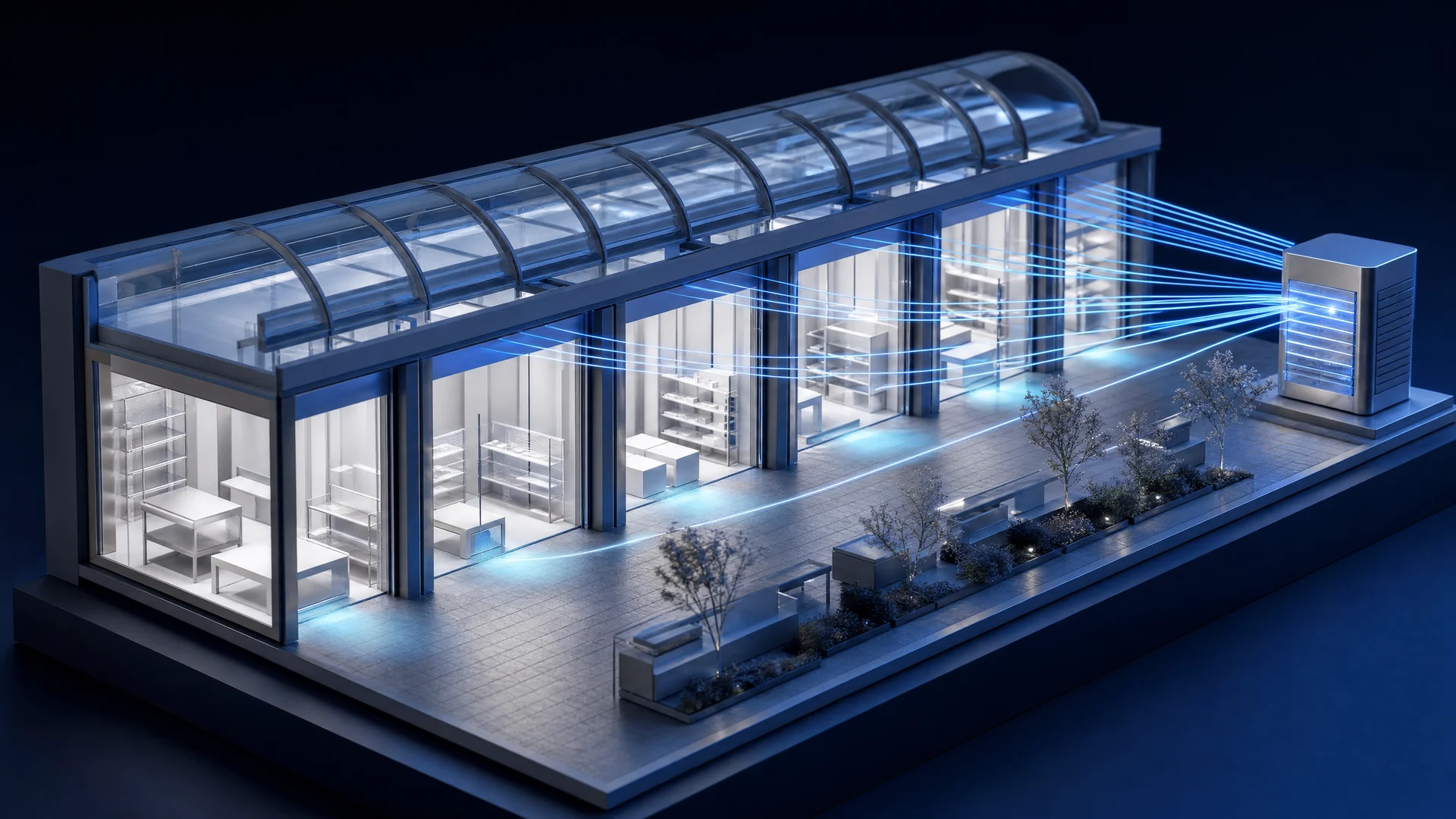
On-site data is plentiful but collected to different standards, and video must be used only to a limited extent, with both personal information and the operating purpose in mind.
Service planning, design, guides, business processing server development, and maintenance, plus checks for web standards, web accessibility, and cross-browser compatibility
Using AI video processing to track and count passersby in real time, automatically recognize visitors and estimate their gender and age group, and turn visits into data by zone
Developing an AI store analytics report service that summarizes current sales, projected sales, and visit and purchase flows
We first define what to measure and the retention policy, then structure only the events you need so they can be reviewed alongside store operating data.
We connect sensor and equipment data to read the status of remote sites and build response flows.
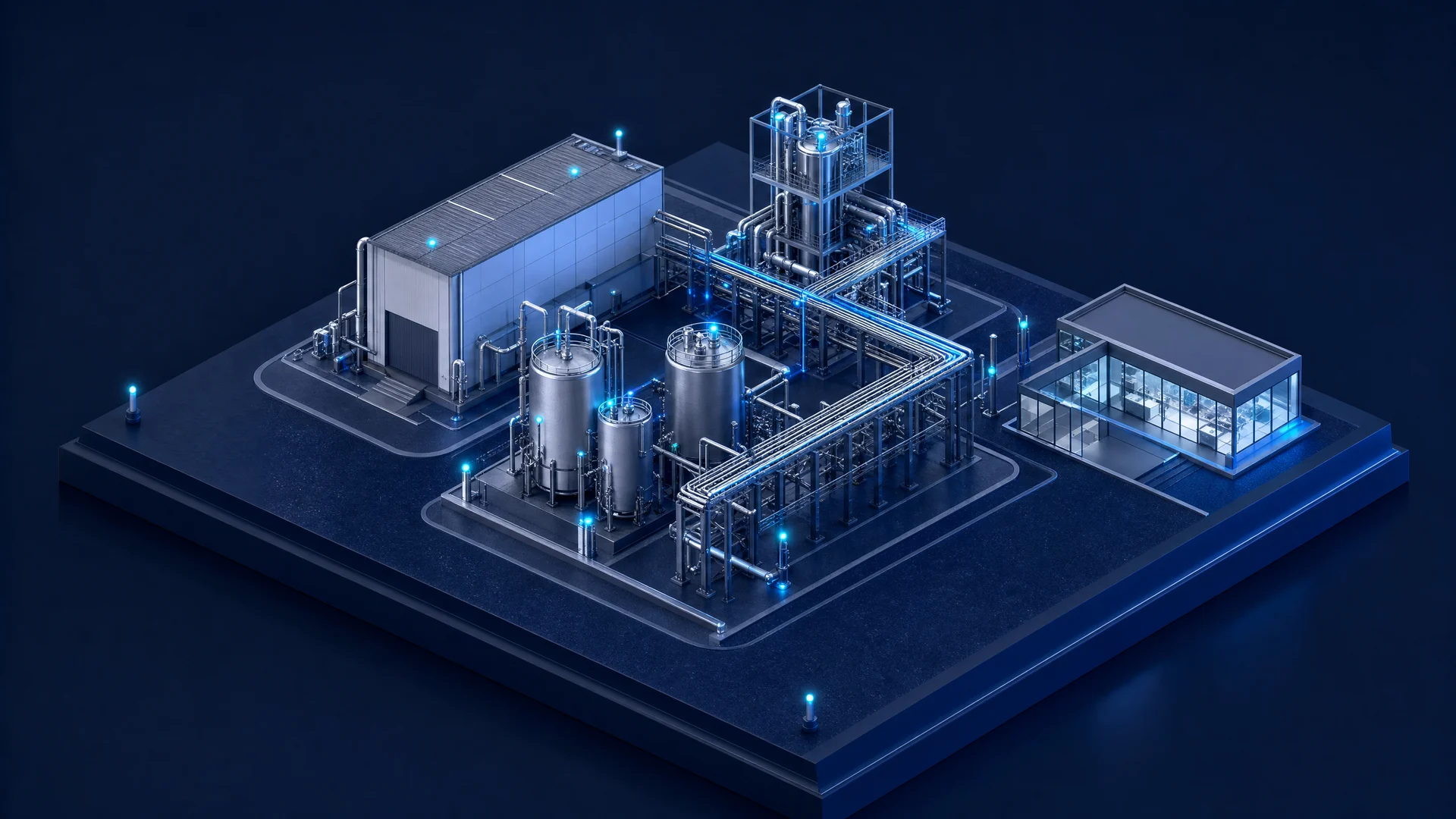
Communication methods and data intervals differ from one facility to the next, and monitoring and alerts must keep working even where the network is unstable.
Developing a mobile app and web monitoring screens that integrate facility data to show operating status, forecasts, and facility condition
Developing an AI facility management system for fire prevention and hazard prediction, and an equipment control (PLC) system
Developing an AI algorithm for output forecasting
After surveying the equipment and communication environment, we design how data is collected, cleansed, and stored, and connect decision criteria and response history to the operating screens.
In an initial consultation, your current problems and operating conditions matter more than a finished set of requirements. We work with you to narrow down the scope, focusing on the three points below.
We check who uses the service, in what places and on what devices, and where the work gets stuck.
We identify how existing systems, equipment, and data relate, and how far each can be changed.
Before the build, we work out permissions, security, incident response, and maintenance ownership with you.
Tell us about your current workflow and the systems that need connecting, and we’ll start by setting priorities.